


Installation of Peel & Stick Wallpaper
The self-adhesive, high-quality textile material allows for easy installation and multiple uses. The Peel & Stick wallpaper features a fabric base with a factory-coated adhesive layer, making it suitable for walls, furniture, and doors. The vibrant colors are realistic and vivid, and the material leaves no residue when removed. It’s fully repositionable, semi-matte, and has a linen-like texture, all without the need for glue.
Tools and Equipment
- Primer
- Wallpaper brush
- Pencil
- Utility knife
- Measuring tape
- Spirit level or laser level
1. Wall Preparation
The wall must be smooth, dry, clean, and primed with an appropriate preparation. The wall color should be uniform, without strongly contrasting areas. It is necessary to remove any remnants of old paints, varnishes, and wallpapers. Freshly applied plasters or freshly painted walls should be left to dry for about three weeks. Ceramic, latex paints, and any poorly adhering surfaces should be sanded before priming the wall. To achieve the perfect effect, eliminate all imperfections. Remember to remove all sockets, baseboards, and other elements from the wall. An improperly prepared wall may prevent the correct installation of wallpaper.
2. Check the type of material and the joining of the wallpaper panels.
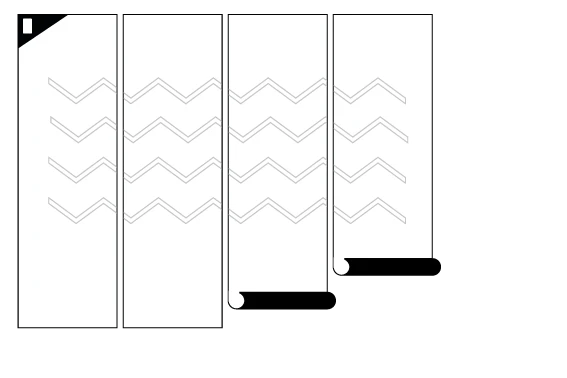
Before applying the wallpaper, check the material's compliance with the order as well as the joining of the strips and the color scheme. If the wallpaper has manufacturing defects, submit a complaint before starting the installation. Wallpapers with manufacturing defects are not subject to complaints after installation has been completed.
AFTER INSTALLING THE WALLPAPER, THERE IS NO POSSIBILITY OF CLAIMING MANUFACTURING DEFECTS!
Note: No claims on defects after installation!
Note: No claims on defects after installation!

3. Plan the Wallpaper on the Wall
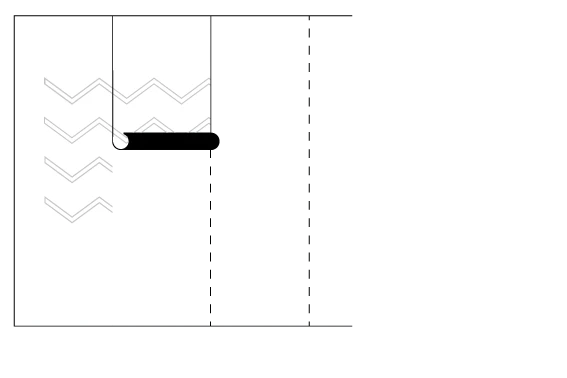
Measure and draw a vertical line on the wall. If the wall is not perfectly straight, shift the line 2.5 cm / 1 inch to the left. This ensures accurate placement when starting from the left.
4. Wallpaper Installation
Start from the top, slowly unrolling the wallpaper and separating the backing from the adhesive. Use a wallpaper smoother to remove air bubbles. Apply each subsequent strip edge-to-edge, aligning the pattern perfectly. Once finished, trim any excess wallpaper with a utility knife, pressing carefully to avoid tearing.